Are these Popular French Things Really From France?
Did these 25 popular things attributed to the French really originate from France? Find out if the French braid, French doors, and more are French or not.
On this page
Is French Kissing originally from France?Is French toast from France?Is “pardon my French” really about French?Is French manicure French?Is the French horn originally from France?Are “French letters” from France?Are French braids from France?Are French beans originally from France?Is the French bread truly French?Are French fries French?Is the French press from France?Is French dressing French?Is French cricket really French?Are French bulldogs really French?Is the French poodle originally from France?Is French roast coffee really French?Is the French twist really French?Is French vanilla from France?Are French pancakes really from France?Are French doors from France?Are French cuffs French?Is the “French disease” French?Are French knickers French?Are French maid costumes really from France?Are French marigolds really French?French toast, French kiss, French braid, French bulldog, and loads of other “French” things… We hear these words and phrases quite often, but the question is: are they truly “French”?
Maybe. Who knows?
This article explores 25 English terms containing “French” and the expressions you can use for them in French. Some have a clear connection with France; others describe a style or reflect an old stereotype. Where the history is uncertain, a simple yes or no would be misleading.
Let’s look at what the names mean and what we can establish about their origins.
1. French Kissing
What the French call it: un baiser avec la langue (noun); galocher, embrasser avec la langue (verb)
Is French Kissing originally from France?
Click to reveal the answer
The name does not establish a French invention.
“French kissing” is an English name for kissing with the tongue. In French, you can say embrasser avec la langue; galocher is informal. Un baiser torride means a passionate kiss, but does not specifically describe the use of the tongue.
A word entering a dictionary is not evidence that the word, or the practice it describes, was invented at that time. Stories assigning this kind of kissing to one nation should not be treated as established history.
2. French Toast
What the French call it: le pain perdu
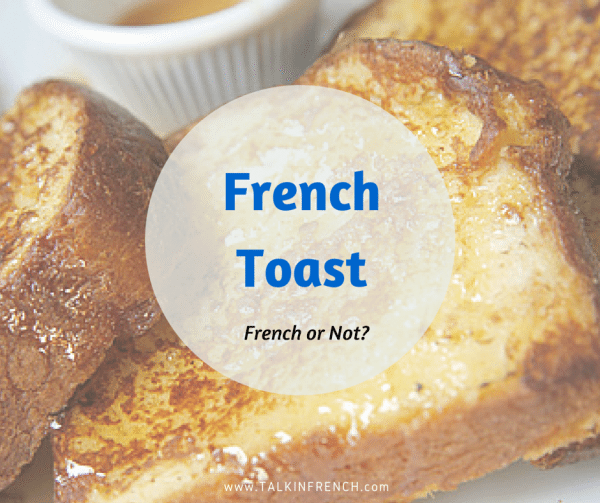
Is French toast from France?
Click to reveal the answer
Not exclusively: related recipes predate modern France.
Le pain perdu literally means “lost bread”: stale bread is given a new use by soaking it in milk and egg and then cooking it. Similar dishes exist in many cuisines.
The Roman recipe collection Apicius includes a preparation of milk-soaked bread fried in oil and served with honey. It is a historical relative of French toast, rather than proof that every modern version has one inventor. Read the historical recipe collection.
3. Pardon my French
How the French say it: Passez-moi l’expression
Is “pardon my French” really about French?
Click to reveal the answer
It is an English expression, not a French one.
English speakers use “pardon my French” to apologize, often humorously, for swearing. It does not mean the swear words are actually French.
Passez-moi l’expression is a useful French equivalent: “forgive the expression.” It can soften a blunt or unusual choice of words, even when no profanity is involved.
Be careful with embonpoint, a word sometimes quoted in accounts of this expression: it is a noun meaning plumpness, not an adjective meaning “overweight.”
4. French manicure
What the French call it: la French manucure
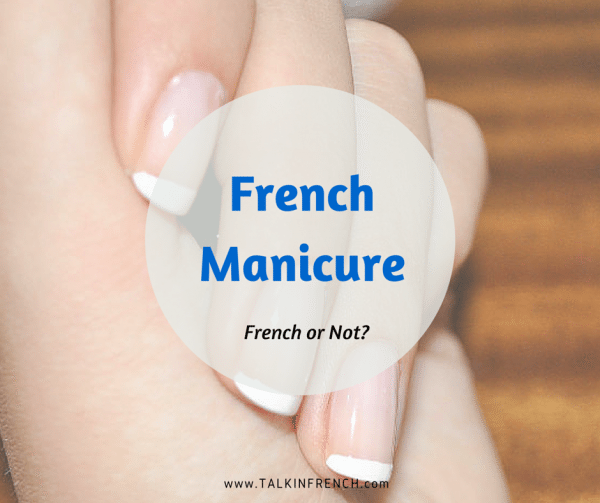
Is French manicure French?
Click to reveal the answer
The modern named style is associated with the United States.
A French manicure typically has a pink or nude base and white tips. Nail-care company ORLY credits its founder Jeff Pink with creating the modern look for Hollywood and naming it after introducing it on Paris runways.
That is ORLY’s account of its own product history; the French name should not be mistaken for proof that the technique was invented in France.
5. French Horn
What the French call it: le cor d’harmonie
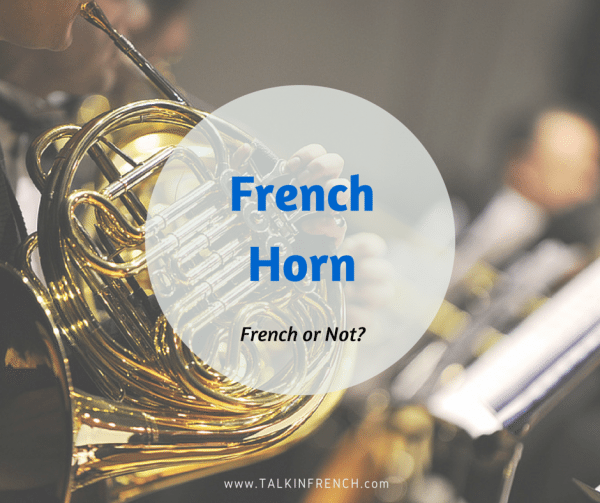
Is the French horn originally from France?
Click to reveal the answer
Its development is not exclusively French.
The orchestral horn developed through contributions from instrument makers in several countries. Calling the modern instrument simply a French invention, or simply a German one, oversimplifies that history.
In French, it is le cor or le cor d’harmonie. The International Horn Society recommended the English name “horn” in 1971.
6. French Letters
What the French call it: un préservatif (ordinary term); une capote anglaise (historical)
Are “French letters” from France?
Click to reveal the answer
The nickname is not evidence of a French invention.
“French letter” is an old British term for a condom. The ordinary French word is un préservatif; une capote is informal, and une capote anglaise is a historical expression.
Condoms were not invented in the United States. Their history includes forms used in Europe before the development of modern rubber condoms. This historical review discusses their development and the uncertain origin of the word “condom.”
7. French Braid
What the French call it: la tresse à la française
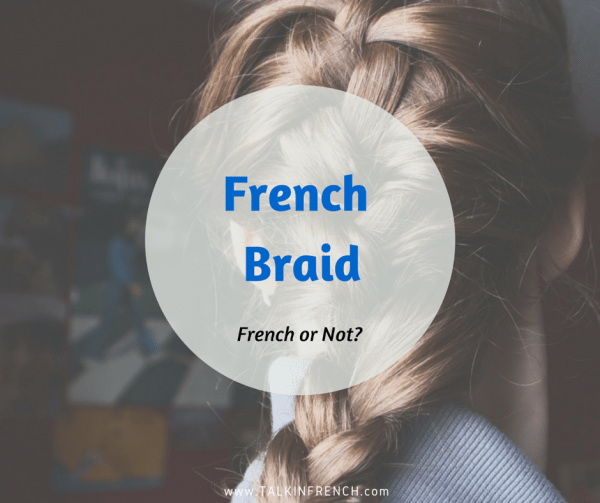
Are French braids from France?
Click to reveal the answer
The name alone does not establish where the style began.
A French braid incorporates additional hair into the braid as it progresses along the head. Une tresse à la française or une tresse française describes the style.
Braiding has a long history in many cultures. Claims about the first appearance of this exact technique need more evidence than a modern English name or a general image of braided hair.
8. French Beans
What the French call it: haricots verts
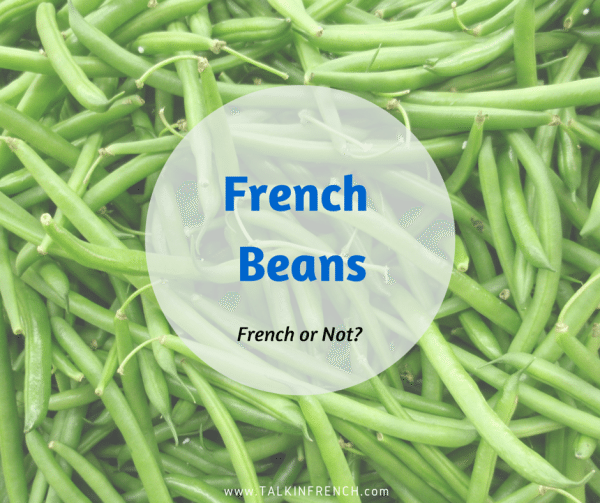
Are French beans originally from France?
Click to reveal the answer
No. The plant is native to the Americas.
French beans are forms of the common bean, Phaseolus vulgaris. Kew’s species account places its origins in the Americas, not France.
Haricots verts means green beans in French. In English food writing, the borrowed term often refers more specifically to slender French-style green beans.
9. French Bread
What the French call it: la baguette
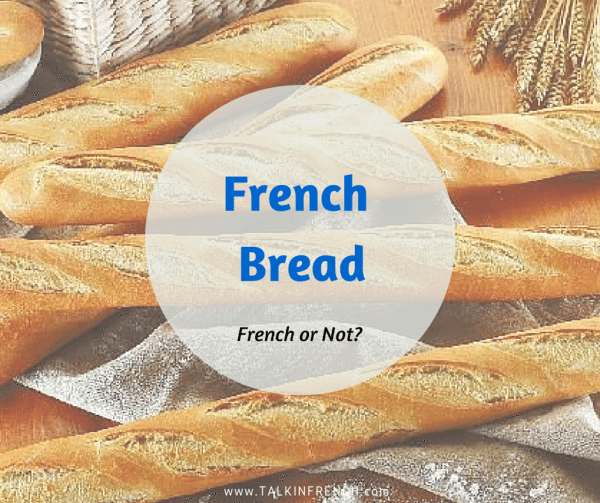
Is the French bread truly French?
Click to reveal the answer
Yes: the baguette is a French bread tradition.
A baguette is a type of French bread, not a translation for every kind of French bread. Its familiar form developed over time.
The French cultural-heritage inventory documents the name “baguette” for this bread around the beginning of the twentieth century. It does not support the claim that modern baguettes were already being carried through France before Louis XIV.
10. French Fries
What the French call it: les frites (plural)
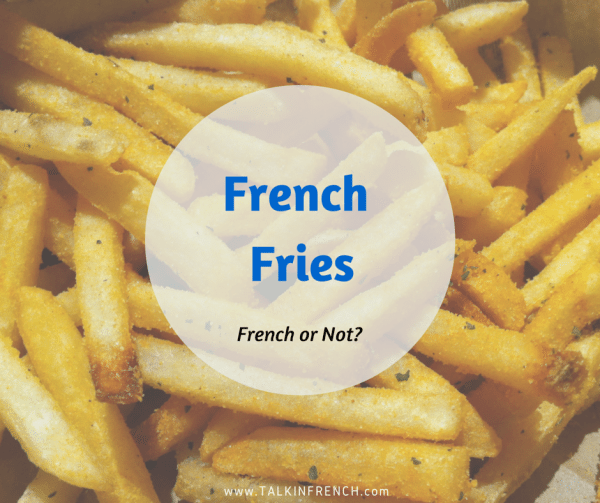
Are French fries French?
Click to reveal the answer
The origin is disputed.
Both France and Belgium have strong associations with fries. Historical accounts disagree about where the familiar dish began, so a categorical answer overstates what can be established.
In French, order des frites or une portion de frites. Une frite is one individual fry. This article presents the case for French origins.
11. French Press
What the French call it: une cafetière à piston
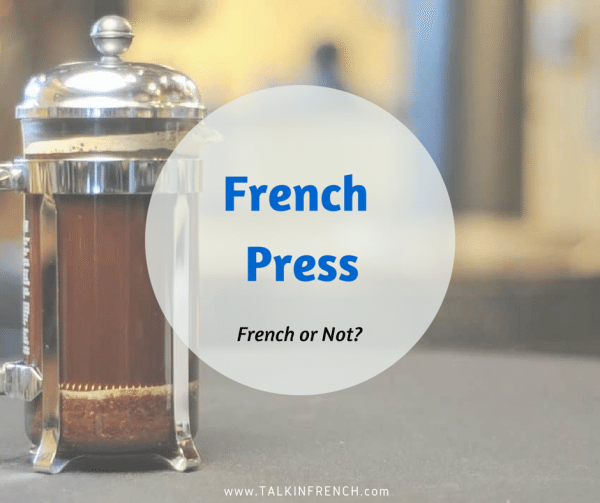
Is the French press from France?
Click to reveal the answer
Its history includes more than one country.
Une cafetière à piston is a coffee maker with a plunger and filter. The history of the device is more complicated than the claim that one Italian inventor makes the name “French press” wrong.
A 1931 US patent, based on an Italian application from 1928, names Ugo Paolini as inventor and Attilio Calimani and Giulio Moneta as assignees. French manufacturers also played a role in the commercial history of the device; Bodum describes its acquisition of the French company Martin S.E.
12. French Dressing
What the French call it: la vinaigrette
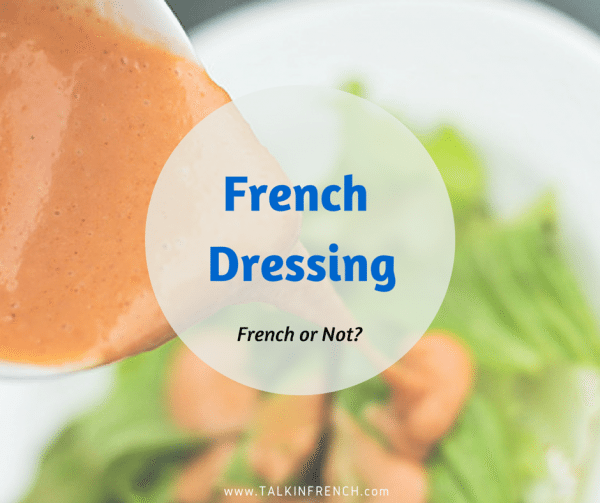
Is French dressing French?
Click to reveal the answer
It depends on which dressing you mean.
In France, une vinaigrette is an oil-and-vinegar dressing, often with mustard and seasonings. Mustard is common, but not compulsory.
The sweet, reddish dressing sold as “French dressing” in the United States is a different preparation. Translating every bottle of American French dressing simply as vinaigrette can therefore be misleading; sauce salade américaine de type “French dressing” is a clearer description when that is what you mean.
13. French Cricket
What the French call it: une variante informelle du cricket appelée “French cricket”
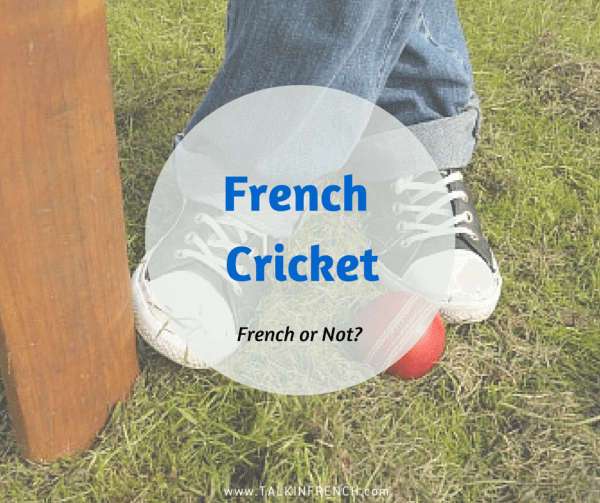
Is French cricket really French?
Click to reveal the answer
The English name does not make it a French national sport.
French cricket is an informal bat-and-ball game related to cricket. It is not le croquet, the game played with mallets and hoops. To explain it in French, use a description such as une variante informelle du cricket appelée “French cricket”.
Scouts Australia provides rules for the game. Its English name should not be used as evidence for a precise national origin.
14. French bulldog
What the French call it: le bouledogue français
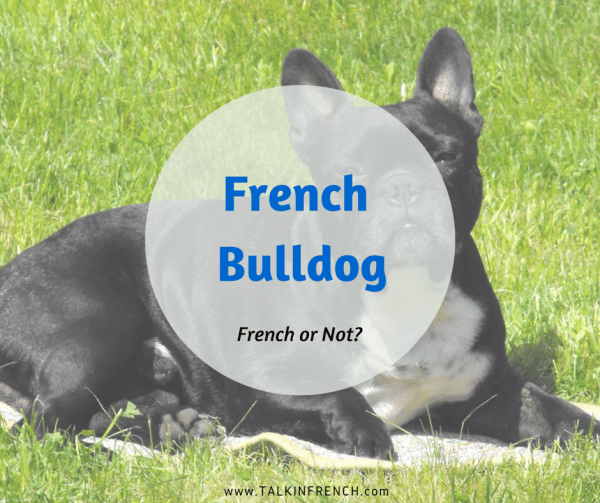
Are French bulldogs really French?
Click to reveal the answer
Yes, with English ancestry and later international development.
The French bulldog descends from small English bulldogs brought to France by workers in the nineteenth century. The breed then developed and became popular in France, with American breeders later influencing its standard.
The American Kennel Club’s history describes this cross-country development. Saying the Frenchie is simply “not French” misses an important part of the story.
15. French Poodle
What the French call it: un caniche (poodle)
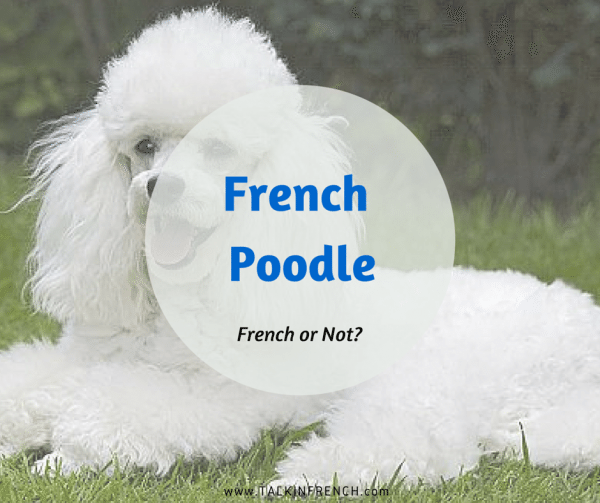
Is the French poodle originally from France?
Click to reveal the answer
It is strongly associated with France, but generally traced to Germany.
The American Kennel Club lists the poodle among breeds associated with France but developed elsewhere, identifying Germany as its origin.
Un caniche means a poodle. The word is connected with cane (female duck), reflecting the breed’s association with retrieving waterfowl; “duck-dog” is an etymological explanation, not the usual translation.
16. French Roast Coffee
What the French call it: un café de torréfaction foncée / un café de torréfaction française
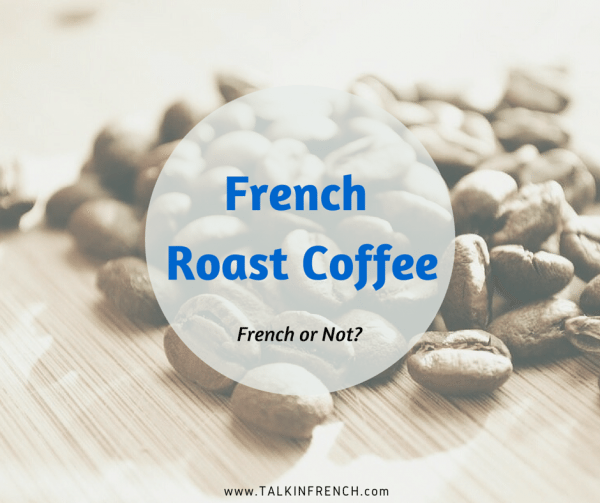
Is French roast coffee really French?
Click to reveal the answer
It describes a roast style, not where the coffee was grown.
“French roast” refers to a very dark roast, commonly associated with smoky flavors. It does not mean the beans were grown or roasted in France.
For example, Starbucks describes its French Roast as dark and smoky and lists Latin American and Asia-Pacific origins. In French, un café de torréfaction foncée is a clear description; torréfaction française is also used as a roast label.
17. French Twist
What the French call it: le chignon banane
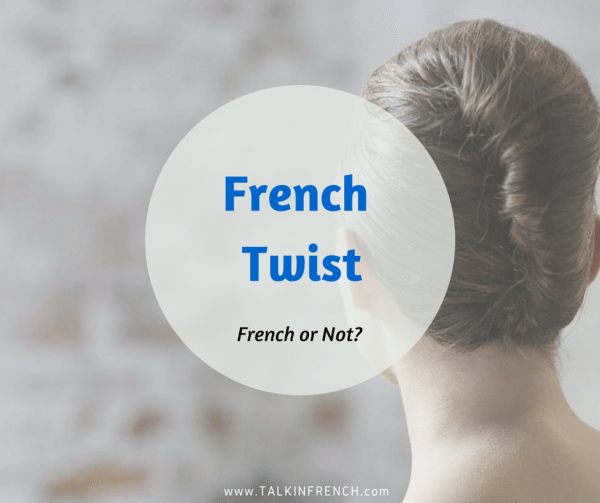
Is the French twist really French?
Click to reveal the answer
The French name identifies the style, not a proven inventor.
A French twist is usually called un chignon banane in French. Un chignon is a broader term for hair gathered and held up at the back of the head.
The Académie française records an older meaning of chignon as “nape of the neck.” This does not support the story that English speakers invented “French twist” because they could not pronounce “chignon du cou.”
18. French Vanilla
What the French call it: une glace à la vanille à base de crème anglaise (for custard-style ice cream)
Is French vanilla from France?
Click to reveal the answer
It describes a preparation or flavor, not the origin of the vanilla beans.
For ice cream, “French vanilla” commonly means a vanilla custard style made with egg yolks. For example, Tillamook’s French Vanilla includes egg yolks.
Une glace à la vanille à base de crème anglaise describes that preparation in French. Vanille Bourbon refers to a type of vanilla designation and is not a translation of “French vanilla.” Other products may use “French vanilla” simply as a flavor label.
19. French Pancake
What the French call it: une crêpe
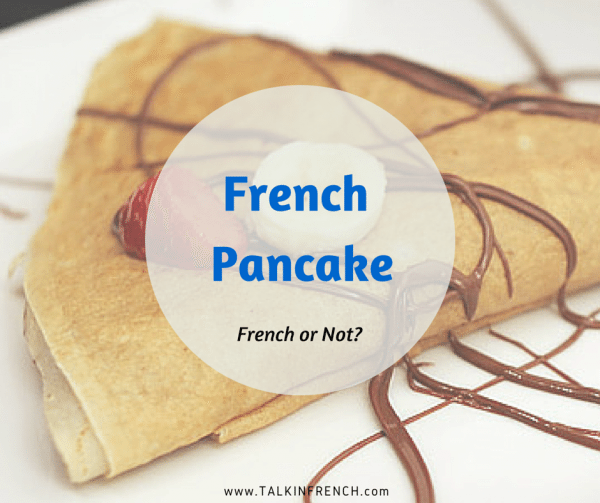
Are French pancakes really from France?
Click to reveal the answer
Crêpes are a French specialty, especially associated with Brittany.
Une crêpe is a thin pancake. Crêpes have a strong place in Breton and French food traditions, but pancakes as a broad category are not unique to France.
20. French Door
What the French call it: la porte-fenêtre literally, “window-door”
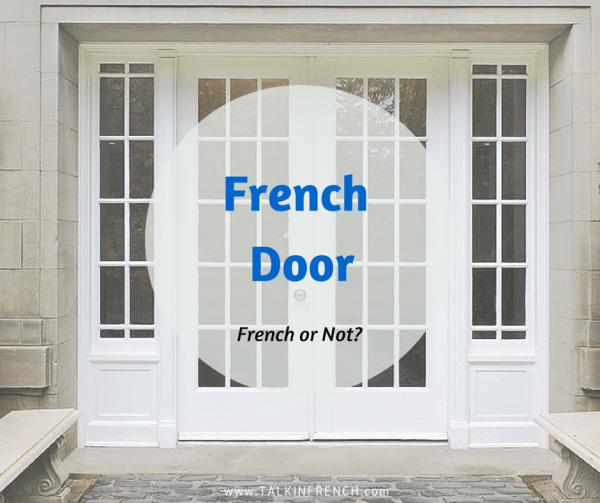
Are French doors from France?
Click to reveal the answer
The name describes a style associated with France.
Une porte-fenêtre is a glazed door that also functions as a window, often opening onto a terrace, garden, or balcony. It can have one or more leaves.
English “French doors” usually refers to a pair of glazed doors. The two expressions overlap, but they are not exact equivalents in every architectural context. A precise invention date should not be inferred from the name alone.
21. French Cuff
What the French call it: le poignet mousquetaire literally, “musketeer’s cuff”
Are French cuffs French?
Click to reveal the answer
The name is not proof of a single French inventor.
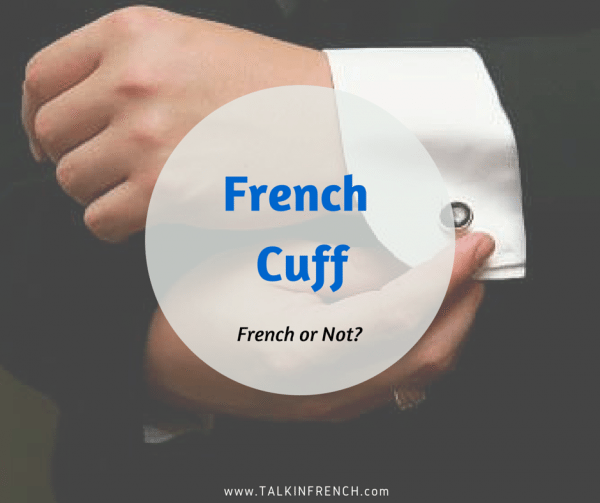
A French cuff is a double cuff folded back and fastened with cufflinks. The French term is un poignet mousquetaire; cufflinks are des boutons de manchette.
The name’s reference to musketeers does not establish that Alexandre Dumas’s novel inspired the invention. That origin story should be treated as unconfirmed.
22. French Disease
What the French call it:la syphilis; historically, le mal napolitain (“the Neapolitan disease”)
Is the “French disease” French?
Click to reveal the answer
The historical nickname does not establish a national origin.
“French disease” is an old name for syphilis. The ordinary French term is la syphilis. One historical French name was le mal napolitain (“the Neapolitan disease”), documented in the Académie française dictionary.
Such national labels reflected blame and prejudice. They should not be used as evidence for where a disease originated, and they are not the terms to learn for ordinary modern medical communication.
23. French Knickers
What the French call it: une culotte ample à jambes courtes (a descriptive translation)
Are French knickers French?
Click to reveal the answer
It is a British clothing term; the name alone does not settle its origin.
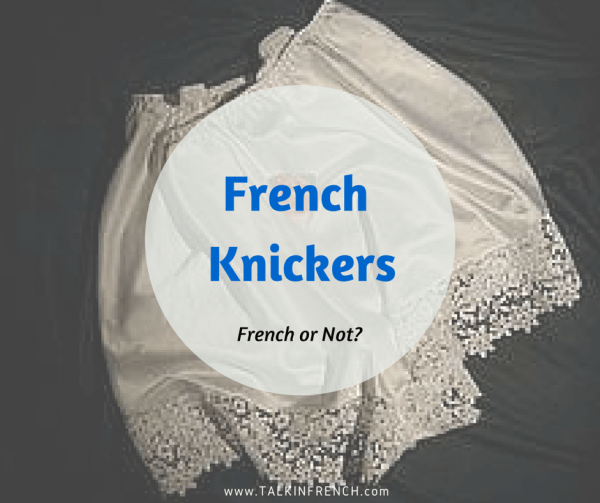
“French knickers” describes loose-fitting women’s underwear with short legs. A descriptive French translation is une culotte ample à jambes courtes; clothing terminology varies by brand and period.
The frequently repeated connection with Parisian cancan dancers is an origin story, not enough on its own to prove where the garment was invented.
24. French Maid
What the French call it:une femme de chambre (the job); un déguisement de soubrette (the costume)
Are French maid costumes really from France?
Click to reveal the answer
The costume is a stylized image, not a reliable historical uniform.
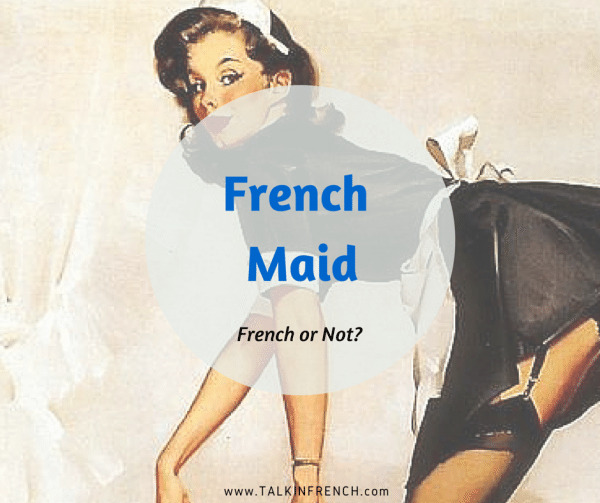
Une femme de chambre is a chambermaid: the term names a job, not a costume. For a “French maid” costume, un déguisement de soubrette is a more useful expression.
Modern costumes draw on an imagined maid’s uniform and vary widely. They should not be presented as an accurate picture of what all nineteenth-century French household workers wore.
25. French Marigold
What the French call it: un œillet d’Inde literally, “Indian carnation”
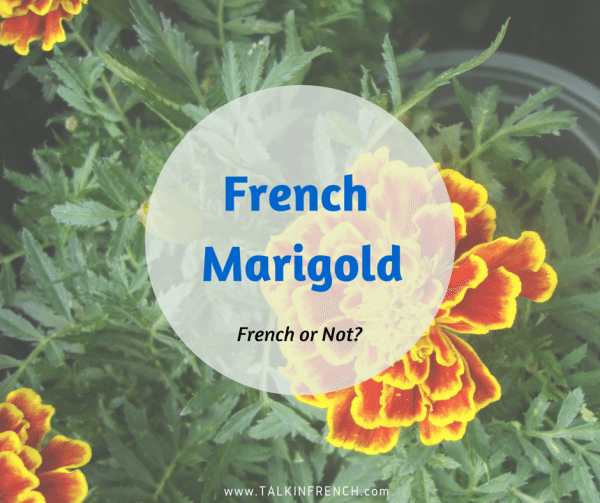
Are French marigolds really French?
Click to reveal the answer
No. The plant comes from Mexico and Guatemala.
Kew’s guide to French marigolds gives Mexico and Guatemala as their origins.
The French common name is un œillet d’Inde, literally “a carnation of India.” Neither the English nor the French common name should be taken as a literal statement of the plant’s native range.